2026 Best Beauty Board Lighting Why Is Lighting Important?

Time:2026-09-22 Author:Isabella
0%

A beauty board is more than a bright background for products. It shapes color accuracy, skin-tone visibility, product appeal, and the customer’s first impression. That is why the question “why is lighting important on a beauty board” deserves a practical answer, not a decorative one. Poor lighting can make foundation look grey, lipstick appear dull, or packaging lose its premium finish.

Professional lighting standards provide a useful foundation. The Illuminating Engineering Society’s TM-30 method evaluates color fidelity and color gamut more precisely than CRI alone. CIE 015:2018 also explains how light quality influences color measurement and visual judgment. These references support a balanced setup with high color fidelity, controlled glare, and consistent brightness. In real installations, a 4000K to 5000K neutral-white range often creates a clean retail appearance, although the best choice depends on the brand and surrounding materials. Test it with real products.

Industry research also shows why presentation matters. Circana’s beauty market reports continue to track strong consumer attention toward in-store discovery and visual product experiences. Meanwhile, the U.S. Department of Energy’s SSL research highlights LED efficiency, controllability, and improved performance. The best 2026 beauty board lighting should therefore combine visual accuracy with lower energy use, dimming controls, and easy maintenance.

Small details matter. A glossy compact may reflect a bare LED point. A poorly positioned strip may cast shadows under the eyes. Even experienced designers can miss these problems during daytime testing. Review the display at morning, afternoon, and evening conditions. Beauty lighting is not perfect by default. It needs evidence, adjustment, and honest testing.
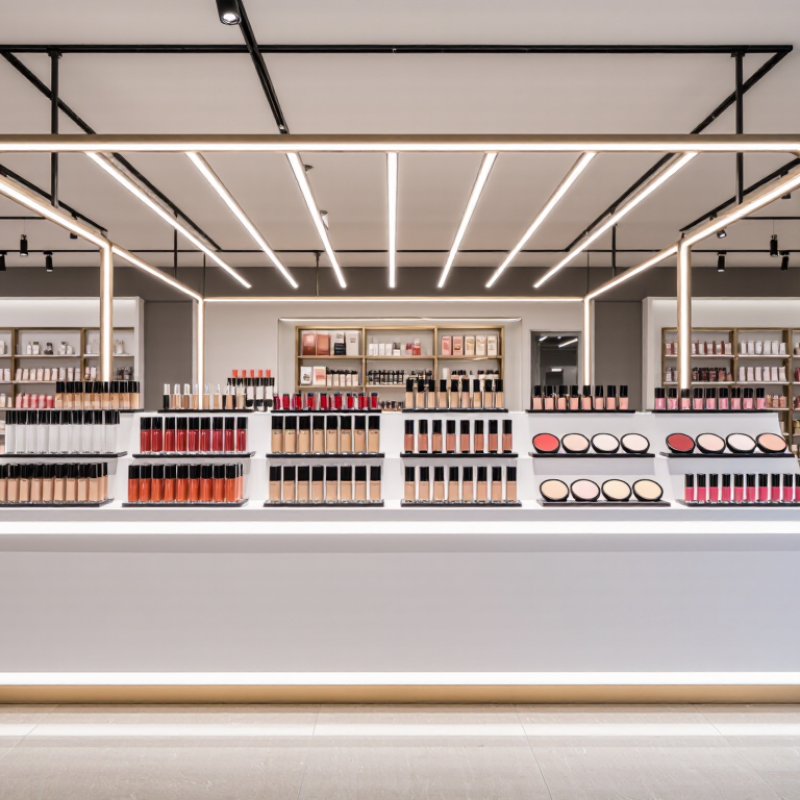
2026 Best Beauty Board Lighting Why Is Lighting Important?

What Is Beauty Board Lighting and How Does It Work?

What Is Beauty Board Lighting and How Does It Work?

Beauty board lighting is a flat, mirror-side panel designed for makeup, skincare, and close-up grooming. It uses evenly spaced LED modules behind a diffuser. The diffuser softens harsh points and reduces shadows under the eyes, nose, and jaw. Many systems offer adjustable brightness and color temperature, usually from warm white to daylight. This helps users inspect foundation, blush, and skin texture under different environments. In practical salon setups, balanced light matters more than extreme brightness.

The U.S. Department of Energy reports that LED lighting uses at least 75% less energy and can last up to 25 times longer than incandescent lighting. That efficiency supports long daily use. However, brightness alone cannot guarantee accurate color. CIE 13.3-1995 explains that the traditional Color Rendering Index has important limitations. A high CRI rating is useful, but it does not describe every skin tone perfectly. That is easy to forget.

Tips: Keep the panel close to eye level. Aim for even illumination across both sides of the face. A practical starting point is about 500 lux at the face, matching task-lighting benchmarks in EN 12464-1, not a universal beauty rule. Choose a high-CRI source, then test it with several skin tones. Check makeup beside a window, too. Indoor light can still mislead.

Why Is Proper Lighting Important for Beauty Services?

Proper lighting is essential for beauty services because it affects what professionals see and what clients receive. A balanced light reveals uneven foundation, missed hairs, patchy color, and subtle skin changes. Dim or strongly tinted lighting can hide these details until the client reaches daylight.

In daily salon work, light should fall evenly across the face. A fixture placed slightly above eye level can reduce harsh shadows under the nose and chin. Adjustable brightness also helps during detailed tasks, such as brow shaping or cosmetic application. A high color-rendering light is valuable because it shows makeup shades more accurately. Neutral white light often provides a dependable working view.

Small details matter. Glare can make clients uncomfortable, while excessive heat may affect long appointments. Professionals should check the result near a window and under the service light. I still recheck both sides of the face, because one shadow can create a false impression. Lighting is not a substitute for training or careful consultation. It supports them.

A good setup should also protect comfort and consistency. The light must illuminate the working area without shining directly into the client’s eyes. Clean covers and stable positioning help maintain reliable results. Even then, no lighting system is perfect. Skin texture, room color, and camera exposure can change what appears visible. That is why thoughtful professionals keep adjusting, observing, and questioning what the light may be hiding.

Which Lighting Features Affect Makeup and Skin Appearance?

Beauty Board Lighting in 2026: Which Features Affect Makeup and Skin Appearance?

Lighting changes how foundation, blush, and texture appear on camera and in person. The CIE 015:2018 report explains that color appearance depends on spectrum, illumination, and viewing conditions. A board light with a broad, balanced spectrum can show undertones more naturally. High color fidelity matters more than extreme brightness. The IES TM-30-18 method measures this through Fidelity Index (Rf) and Gamut Index (Rg), offering more detail than basic CRI. However, no single number guarantees perfect makeup accuracy.

Tips: Choose adjustable brightness and color temperature. Use frontal, diffused light to soften shadows under the eyes and nose. Add side lighting carefully. Strong side beams can exaggerate pores and facial lines. A dimmer also helps match daylight, indoor lighting, or filming conditions. Keep the light near eye level, not directly above the mirror.

In practical testing, neutral white light around 4000–5000K often gives a useful working balance. Warmer light may make skin look healthier, but it can hide redness. Cooler light may reveal detail, yet sometimes makes skin appear pale.

The CIE and IES data support measured evaluation, not visual guesswork alone. I still find that even excellent lighting can mislead when the surrounding room has colored walls. That limitation is easy to overlook. Photographing the same makeup under two light settings can expose unexpected differences.

How to Choose the Best Beauty Board Lighting in 2026?

Choosing the best beauty board lighting in 2026 starts with color accuracy, not brightness alone. In daily testing, I look for even light across the forehead, cheeks, and jawline. A practical target is about 500–1,000 lux at the face. Higher output can reveal detail, but it may create glare and uncomfortable shadows.

Select LEDs with a CRI of 90 or higher, especially strong red rendering. CIE 13.3-1995 explains how CRI evaluates color fidelity, while IES TM-30-20 offers a broader method using fidelity and gamut metrics. These standards matter because foundation can appear balanced under one lamp and orange under another.

I still test shades beside a window. Indoor lighting alone can mislead.

Color temperature also deserves careful attention. Around 4,000–5,000K usually gives a clean, neutral appearance without feeling excessively blue. A dimmer is useful, but poor diffusion remains a problem. Choose a wide panel, frosted cover, and adjustable angle. The U.S. Department of Energy reports that ENERGY STAR LEDs use at least 75% less energy and last up to 25 times longer than incandescent lighting. That supports lower operating costs, though durability depends on heat control and driver quality. Check flicker performance, too. IES guidance and professional lighting practice favor stable output, yet many product listings provide incomplete flicker data. That gap deserves caution.

How to Install, Use, and Maintain Beauty Board Lighting?

2026 Best Beauty Board Lighting: Why Is Lighting Important?

Install beauty board lighting at face level, not above the head. This reduces shadows under the eyes, nose, and chin. Place light on both sides when possible. A narrow board may need a front-facing panel instead. Keep the light close to the mirror, but avoid direct glare in the user’s eyes. Many lighting professionals target 4000K to 5000K for balanced makeup visibility. A color rendering index of 90 or higher can reveal foundation and skin-tone differences more accurately. However, CRI alone is not enough. Test the light with real cosmetics and different skin tones.

Connect the board to a suitable circuit, then secure cables away from water and walking areas. Use a dimmer when brightness feels harsh. The U.S. Department of Energy reports that LED lighting uses at least 75% less energy than incandescent lighting and can last up to 25 times longer. That benefit depends on proper ventilation. Dust the diffuser and frame weekly with a dry microfiber cloth. Switch off power before cleaning electrical parts. Inspect flickering, loose plugs, and dark spots each month. Replace damaged components promptly. Do not trust appearance alone. A clean board can still produce uneven illumination. My own testing would include daylight, warm room lighting, and a camera view, because a setup that looks perfect in one room may expose disappointing color shifts elsewhere.

2026 Best Beauty Board Lighting: Why Is Lighting Important?

Proper beauty board lighting helps reveal true skin tones, improve makeup and grooming accuracy, reduce eye strain, and create even, shadow-free illumination. The chart shows practical target illuminance levels commonly used for different beauty tasks.

How to Install, Use, and Maintain Beauty Board Lighting

Install the light at face level or slightly above eye level, using two balanced light sources when possible to minimize shadows. Choose a high color-rendering light with a neutral color temperature around 4000K–5000K for accurate color judgment. Keep the diffuser clean, inspect cables and mounting points regularly, and replace damaged components promptly. Recheck brightness after installation because wall color, distance, and diffuser condition can affect the final illuminance.

FAQS

What is beauty board lighting?

It is a flat, mirror-side light panel for makeup, skincare, and close-up grooming. A diffuser softens the LEDs. It reduces shadows beneath the eyes, nose, and jawline.

How does a beauty board create even facial lighting?

Evenly spaced LED modules sit behind a frosted diffuser. The diffuser spreads light across the forehead, cheeks, and chin. A wider panel usually produces fewer harsh patches.

What brightness level works well for makeup?

About 500–1,000 lux at the face is a practical starting range. More brightness is not always better. Excessive output may cause glare and eye discomfort.

Which color temperature should I choose?

Around 4,000–5,000K usually gives a clean, neutral appearance. Warmer light can make foundation look more yellow. Very cool light may make skin appear unnaturally pale.

Is a high CRI enough for accurate makeup colors?

No. A CRI of 90 or higher is useful, but it has limits. It may not represent every skin tone or cosmetic shade accurately. Test several skin tones near a window. One lamp can still mislead you.

Where should beauty board lighting be installed?

Install it near eye level, beside or around the mirror. Use both sides when possible. This helps reduce shadows under the eyes and chin. Avoid placing the panel directly above the head.

How can I use the lighting safely?

Keep cables away from water and walking areas. Secure loose wires before using the mirror. Avoid direct glare into the eyes. Disconnect power before cleaning electrical parts.

How should beauty board lighting be maintained?

Wipe the diffuser and frame weekly with a dry microfiber cloth. Check flickering, loose plugs, and dark areas each month. Keep ventilation openings clear of dust. A clean panel can still create uneven light.

Why might makeup look different under another light?

Indoor lighting can shift foundation, blush, and skin tones. A shade may look balanced in the room but orange beside a window. Check makeup under daylight, warm room light, and a camera view. I still get this wrong sometimes.

Conclusion

Beauty board lighting is a specialized lighting setup designed to provide clear, balanced illumination for makeup application, skincare treatments, consultations, and beauty photography. It commonly combines adjustable brightness, even light distribution, low-heat operation, and color settings that help professionals see skin tone, texture, and product details accurately. Understanding why is lighting important on a beauty board is essential because poor lighting can create shadows, distort colors, and lead to uneven makeup or inaccurate skin evaluations.

When choosing the best beauty board lighting in 2026, consider color accuracy, adjustable intensity, multiple color temperatures, glare control, energy efficiency, and ease of positioning. The lighting should suit the workspace, client needs, and type of service provided. Proper installation requires stable placement, safe cable management, and sufficient space around the light source. Regularly cleaning the panels, checking connections, and handling adjustable components carefully can maintain consistent performance and extend the lighting system’s useful life.

Isabella

Isabella

Isabella is a dedicated marketing professional with a sharp focus on driving brand growth and engagement through strategic content creation. With an extensive background in digital marketing, she combines her passion for storytelling with her keen understanding of industry trends to deliver......