How to Find 2026 Beauty Board Trends for Global Buyers?

Time:2026-10-02 Author:Liam
0%

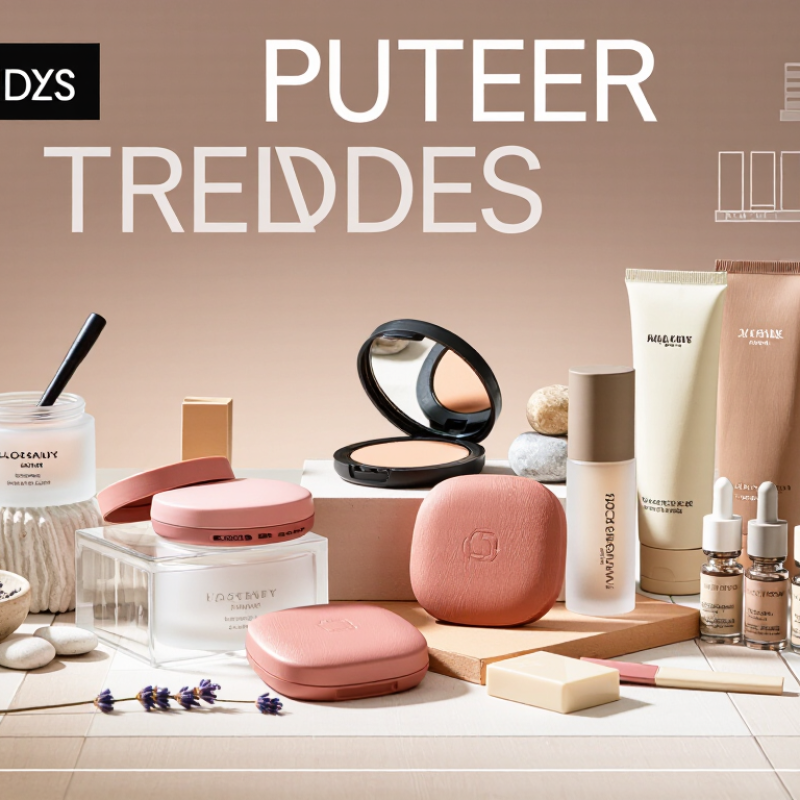
Global beauty buyers need more than attractive images when tracking 2026 beauty board trends. They need evidence, context, and a clear reason behind every visual choice. This guide explores what are the trends in beauty boards and how those signals may influence product development, packaging, retail displays, and sourcing decisions.

A strong 2026 beauty board may combine soft mineral colors, skin-inspired textures, refillable packaging, and calmer wellness references. However, visual popularity does not guarantee commercial value. Buyers should compare board themes with search data, retail performance, regional preferences, and verified consumer feedback. A muted clay palette may perform well in one market but appear dull on another country’s digital shelves.

Beauty educator Caroline Hirons has often stressed, “Skincare is a marathon, not a sprint.” Her point also applies to trend research. A promising beauty direction needs patience, testing, and responsible claims. Buyers should examine ingredient transparency, packaging practicality, regulatory suitability, and supplier consistency before making decisions.

Small details matter. Notice the finish of a compact, the weight of a glass jar, or the contrast between matte labels and glossy formulas. These choices communicate positioning quickly. Some trend forecasts may still be incomplete. I may overvalue polished visuals when real purchase data tells a different story.

The most useful beauty boards remain flexible. They inspire creative teams, yet leave room for cultural insight, consumer testing, and honest revision. That balance can help global buyers identify relevant opportunities without treating every emerging aesthetic as a guaranteed trend.
How to Find 2026 Beauty Board Trends for Global Buyers?

Set the 2026 Market Baseline: McKinsey Forecasts Beauty at $580B by 2027

How to Find 2026 Beauty Board Trends for Global Buyers?

McKinsey forecasts the beauty market could reach $580 billion by 2027. This figure offers a useful 2026 baseline for global buyers. It signals strong growth, but growth does not guarantee every trend will succeed. A beauty board should connect market data with real consumer behavior. Track search activity, retail launches, ingredient discussions, and regional purchase habits. I also compare trade-show observations with distributor feedback and sales data.

For 2026, buyers may watch practical trends closely. These include lightweight textures, multifunctional formats, scalp-focused care, and refill-friendly packaging. Visual details matter too. Clear gel textures, compact jars, soft neutral colors, and travel-ready designs can reveal changing preferences.

However, appearance alone is weak evidence. A beautiful package may fail if its closure leaks during shipping. A popular ingredient may also perform differently across climates. That is where my judgment remains imperfect. Some early signals look promising, yet they need testing.

Tips: Build separate boards for Asia, Europe, the Middle East, and North America. Add price ranges, product claims, package materials, and consumer comments. Verify every market statistic through reliable research sources. Test small quantities before making large purchasing decisions. Keep one section for uncertain ideas. That section often prevents expensive assumptions.

Compare Categories: Circana Reports U.S. Prestige Beauty Up 14% in 2023

How to Find 2026 Beauty Board Trends for Global Buyers?

Circana reported that U.S. prestige beauty sales rose 14% in 2023. This figure matters, but it needs careful interpretation. It reflects one market, one year, and a defined prestige segment. Global buyers should not treat it as a universal forecast.

Compare categories before selecting 2026 products. Skincare may show steady demand for barrier care, gentle formulas, and clear ingredient explanations. Makeup trends can change faster, especially around color, finish, and application tools. Fragrance often requires closer attention to regional preferences, climate, and shipping conditions. Haircare deserves separate review because consumer needs differ widely across humid and dry markets.

Look at sales data beside retailer feedback, search behavior, and customer reviews. A 14% increase can hide major differences between categories. A fast-growing product may still have weak repeat purchases. Test small quantities before committing to large orders. Check product claims, labeling, safety files, and local import requirements with qualified professionals. Do not rely on trend videos alone.

This process is not perfect. Data can arrive late, and online attention can distort demand. Some promising products may fail after launch. A practical beauty board should record the evidence, the market assumption, and the reason for changing direction.

Validate Demand: NIQ Reports 10% Global Beauty E-Commerce Growth in 2023

How to Find 2026 Beauty Board Trends for Global Buyers?

NIQ’s State of Beauty 2024 reports that global beauty e-commerce grew 10% in 2023. For global buyers, this signals stronger online demand. It is evidence, not a product forecast. The report also suggests that digital shelves deserve closer attention during 2026 planning. Track search growth, review language, repeat purchases, and regional price changes. A trend looks stronger when these signals appear together.

McKinsey’s 2023 beauty market analysis estimated about 6% annual industry growth through 2027. It also projected online channels could exceed 30% of beauty sales by 2027. Use these figures to shape beauty boards around clear consumer needs. Examples include lightweight textures, sensitive-skin routines, refillable packaging, and compact formats for travel. Add market notes beside each idea. A warm-climate buyer may value fast absorption, while a colder market may prefer richer textures.

My first board may overvalue visual novelty. That is a weakness. Test every concept against local search data and retailer sell-through reports. Keep screenshots, dates, and country filters. Then compare the board with NIQ’s quarterly findings and McKinsey’s broader forecasts. A bright color trend can attract clicks but fail to create repeat demand. Small evidence gaps remain. Record them honestly. Reliable buying decisions need room for doubt, not just attractive images.

Map Regional Fit: Combine WGSN Forecasts With Local Search Data by Market

Global buyers need more than a broad 2026 beauty trend report. They need evidence that a trend fits each market. Use WGSN forecasts as a directional framework, not a final purchasing decision. Then compare predicted colors, textures, and formats with local search data.

Track searches by country, language, city, and season. A rising query for lightweight skincare may signal humid weather, travel habits, or simple curiosity. Check the timing. A sudden spike before a holiday may not represent stable demand. Review search volume, related terms, product reviews, and retailer questions together.

Local context changes the meaning of beauty trends. A sheer finish may suit one market, while long-wear coverage matters more in another. Cultural preferences, climate, income levels, and local regulations also affect product acceptance. Build a market sheet with forecast signals, search evidence, customer comments, and confidence levels. Keep the source dates visible.

The method is not perfect. Search data can reward novelty, while quiet demand may remain invisible. I would test a small assortment before committing to large orders. After launch, compare sales, returns, reviews, and repeat searches. That feedback can correct the original forecast and improve the next regional decision.

How to Find 2026 Beauty Board Trends for Global Buyers? - Map Regional Fit: Combine WGSN Forecasts With Local Search Data by Market

Regional opportunity map for beauty-board planning, assortment review and localized product development

Market Regional Fit 2026 Forecast Theme Local Search Signal Search Interest Index 12-Month Direction Buyer Interpretation Recommended Board Angle
United States North America
High digital discovery
Barrier-first skin minimalism Rising interest in barrier repair, skin cycling, gentle exfoliation and hybrid complexion products. 92 Rising Prioritize multifunctional products that reduce routine complexity and communicate visible skin comfort. “Less steps, stronger barrier”
United Kingdom Western Europe
Ingredient-led shopping
Clinical transparency and sensitive-skin care Strong consumer attention around sensitive skin, redness, fragrance-free formulas and ingredient explanations. 86 Rising Use clear claims, concise ingredient education and low-irritation positioning across skincare and body care. “Proof, comfort and clarity”
Germany Central Europe
Value and efficacy focused
Responsible efficacy Search behavior favors dermatological care, refill concepts, sensitive-skin solutions and practical sun protection. 78 Moderately rising Combine measurable performance with straightforward packaging, responsible material choices and fair pricing. “Function before decoration”
France Western Europe
Texture and ritual driven
Sensory skin health Continued interest in facial massage, balm textures, body rituals, complexion radiance and understated makeup. 81 Stable to rising Build premium sensory experiences without overcomplicating claims or relying on heavy coverage. “Healthy skin with a refined finish”
South Korea East Asia
Fast innovation cycle
Precision layering and skin-tech rituals High activity around toner pads, cooling formats, concentrated essences, pore care and makeup-skincare hybrids. 97 Strongly rising Test lightweight textures, quick-application formats and technology-supported claims with strong visual demonstration. “Layer smarter, not heavier”
Japan East Asia
Quality and restraint focused
Quiet protection and long-term care Persistent demand for daily UV protection, scalp care, hydration, minimalist routines and polished natural makeup. 89 Stable Emphasize reliability, elegant usability, low-sensory overload and products suitable for consistent daily use. “Prevention as everyday beauty”
India South Asia
Climate and hair diversity
Scalp health and climate-adapted beauty Increasing attention to scalp buildup, hair fall, frizz control, pigmentation care, lightweight sunscreen and humidity resistance. 91 Strongly rising Develop breathable, heat-tolerant and inclusive formulas with clear solutions for scalp, hair texture and uneven tone. “Root care for real climates”
United Arab Emirates Gulf region
Premium and occasion led
Heat-proof glamour and fragrance layering Search interest centers on long-wear makeup, body care, hair protection, fragrance layering and high-impact evening looks. 88 Rising Offer humidity-resistant performance, rich but breathable textures and coordinated routines for fragrance and body care. “Long wear, layered luxury”
Brazil Latin America
Body and hair expertise
Full-body care and expressive texture Strong attention to curly and textured hair, body moisturization, sun care, anti-frizz routines and luminous finishes. 94 Strongly rising Give equal importance to hair and body categories, with rich hydration, texture inclusivity and high sensory appeal. “Head-to-toe radiance”
Australia Oceania
Outdoor lifestyle driven
Daily defense and recovery High relevance for broad-spectrum sun care, after-sun recovery, sweat-friendly formats, scalp protection and outdoor skincare. 90 Rising Prioritize water-resistant, non-greasy and portable formats with credible protection and recovery benefits. “Protect, perform, recover”

Score Trends by Claims, Safety, Margin, and 2026 Compliance Risk

How to Find 2026 Beauty Board Trends for Global Buyers?

A useful trend is more than a popular color or texture. Global buyers should score each idea by claims, safety, margin, and 2026 compliance risk. I usually begin with retailer searches, trade feedback, ingredient data, and consumer comments. Then I record the evidence date and market source. A trend supported by repeated demand deserves more attention than one viral post. Claims need careful review. “Brightening” or “barrier support” must match available product evidence and local advertising rules. Strong language can create unnecessary regulatory exposure.

Tips: Build a simple five-point scorecard. Give claims an evidence score, safety a documentation score, margin a landed-cost score, and compliance risk an inverse score. Check packaging, ingredients, testing, and translated claims before approval. Leave one blank field for missing evidence.

Safety should include supplier records, stability testing, contamination controls, and intended-use limits. Margin must cover freight, duties, sampling, returns, and retailer deductions. A product may look profitable until packaging waste or delayed shipping reduces the result. Compliance risk also differs by market. Review restricted ingredients, labeling rules, product notifications, environmental duties, and changing 2026 guidance with qualified local professionals. My first scorecards were too optimistic about viral demand. I still sometimes overvalue attractive claims. That is why a second reviewer should challenge every score, especially when evidence is incomplete.

FAQS

What does the projected $580 billion beauty market suggest for 2026 buyers?

It indicates strong growth through 2027. Still, a large market does not guarantee every trend will succeed.

Which practical beauty trends deserve attention in 2026?

Watch lightweight textures, multifunctional products, scalp care, and refill-friendly packaging. Practicality may matter more than novelty.

What visual details can reveal changing consumer preferences?

Clear gels, compact jars, soft neutral colors, and travel-ready designs offer useful clues. Packaging appearance alone proves little.

How can buyers test whether a trend is commercially promising?

Test small quantities before placing large orders. Check sales, returns, reviews, and repeat searches afterward.

How should buyers organize regional beauty trend research?

Create separate boards for Asia, Europe, the Middle East, and North America. Include prices, claims, materials, and consumer comments.

Which local search data should buyers examine?

Review searches by country, language, city, and season. Compare related terms, reviews, retailer questions, and search timing.

Why can a sudden search increase be misleading?

Holiday interest or novelty may create a temporary spike. The signal may fade quickly.

How do climate and local habits affect product choices?

Humidity may favor lightweight textures, while other markets may prefer long-wear coverage. Local income and regulations also matter.

What should a regional trend sheet include?

Record forecast signals, search evidence, customer comments, source dates, and confidence levels. Keep uncertain ideas visible.

Is this forecasting method completely reliable?

No. Search data can overvalue novelty, while quiet demand remains hidden. Small tests can expose weak assumptions.

Conclusion

To identify the beauty board trends shaping 2026, global buyers should begin by establishing a clear market baseline. Industry forecasts indicate that the beauty sector could approach $580 billion by 2027, creating a strong foundation for continued growth. Buyers should then compare category performance, especially where prestige beauty has shown notable expansion, and validate consumer demand through global beauty e-commerce growth.

The next step is to assess regional fit by combining broad trend forecasts with local search behavior, purchasing habits, and cultural preferences. When asking “what are the trends in beauty boards,” buyers should focus on practical signals such as product claims, safety expectations, profit potential, and compliance risks that may affect 2026 launches. This structured scoring process helps separate short-term visual trends from commercially viable opportunities and supports more informed, market-specific product planning.

Liam

Liam

Liam is a dedicated marketing professional with a profound expertise in the industry, where he excels at highlighting the unique advantages of our core products. With a keen understanding of market trends and consumer needs, Liam frequently updates our company’s professional blog, providing......